

2016 Australian Census: the way we live now
Despite massive distributed denial of service (DDoS) attacks and hardware failure which led to the ABS closing their online form for over a day, the 2016 Census still happened with 63.3% completing their Census form online. Here are some of the things we learned.
The Australian Population
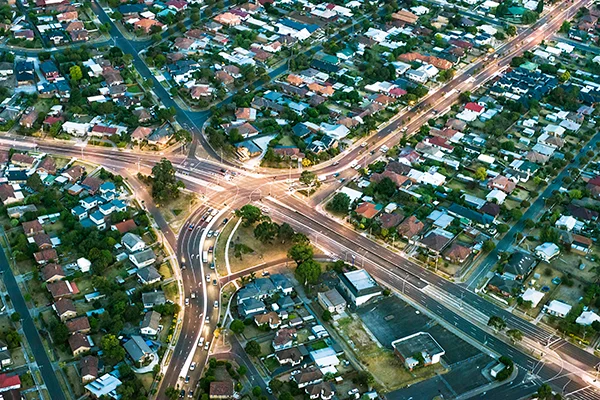
On census day the population of Australia was 23 401 892; by taking into account births, deaths, and international migration our population is now about 24.4 million.
Of this number 50.7% are female, 7 in 10 live in capital cities, and 26% were born overseas.
Our country has an ageing population; the median age for Australians is 38, compared to 23 in 1911, which is the current median age for Aboriginal and Torres Strait Islanders.
Relationships and Family
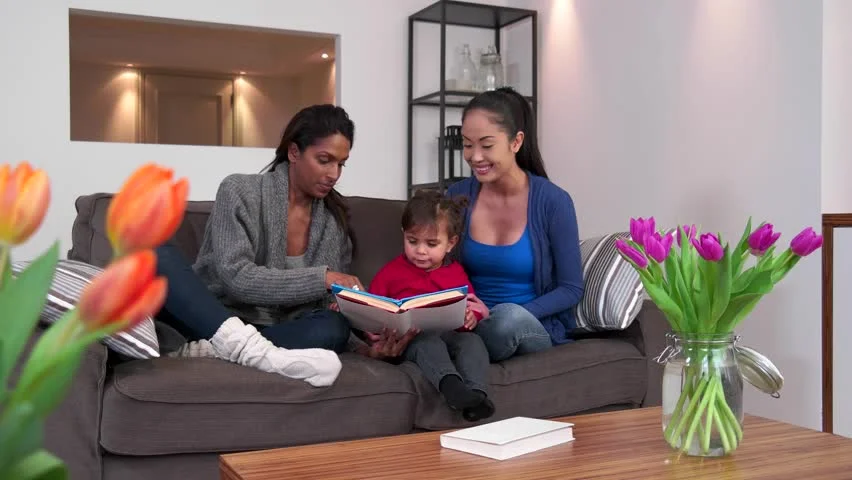
In the last 10 years, there has been an 81% increase in same-sex couples. There are now more than 47 000 people in same-sex relationships compared with only 26 000 in 2006. The median age for people in a same-sex relationship is 40 and for people in an opposite-sex relationship, 48.
The traditional family unit has remained essentially the same, despite the increase in same-sex couples. There are more than 6 million families in Australia. – 45% couples with kids, 38% childless and 16% single-parent families.
48.1% of Australians 15 years and older are married, 11.7% are divorced or separated, and 35% have never been married.
The biggest difference between males and females is hours spent on domestic work. The ABS reported that the “typical” Australian male spends fewer than 5 hours on domestic work, compared with between 5 and 14 hours a week by women.

Home Ownership and Dwellings
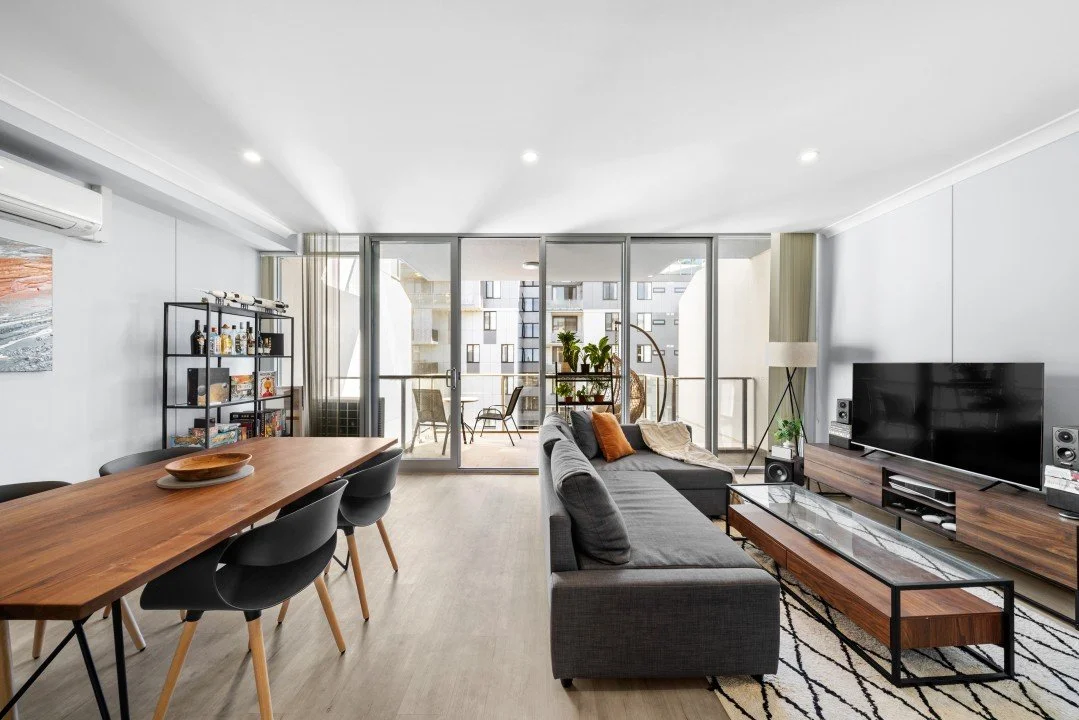
The census counted 8.3 million occupied dwellings. 7 in 10 of these housed families, 1 in 4 were one-person households and 1 in 25 were group households. Of the dwellings themselves, 72% were separate houses.
31% of Australian homes are owned outright, 34% are owned with a mortgage and 31% are rented.
Population Hotspot
The largest population growth of all the states and territories has been in the Australian Capital Territory: 11% increase in just 5 years. The typical ACT resident is younger than the national average and with a median income 42% higher than the national figure.
Social Sharing
Sources:
- The Guardian, Seven interesting things we learned from the Australian census, 28 June, 2017
- Australian Bureau of Statistics, 2016 Census Overview
- Australian Bureau of Statistics, 2016 Data in Pictures, 27 June 2017
- Australian Bureau of Statistics, Australia Today. The Way We Live Now. 27 June 2017
- Australian Bureau of Statistics, Snapshot of Australia, 28 June 0217





Loanscape has today released its Borrowing Capacity Index for Q4/2024. It confirms the forecast trend that borrowing capacities of Australian individuals and families are recovering from their low levels which coincided with the last of the recent increases to borrowing rates initiated by the Reserve Bank of Australia.